
Millions worldwide reach for bottled water every day. Clearly, they seek refreshment and convenience in a seemingly pure product. Yet, a hidden concern lurks within these clear plastic containers.
Breaking It Down
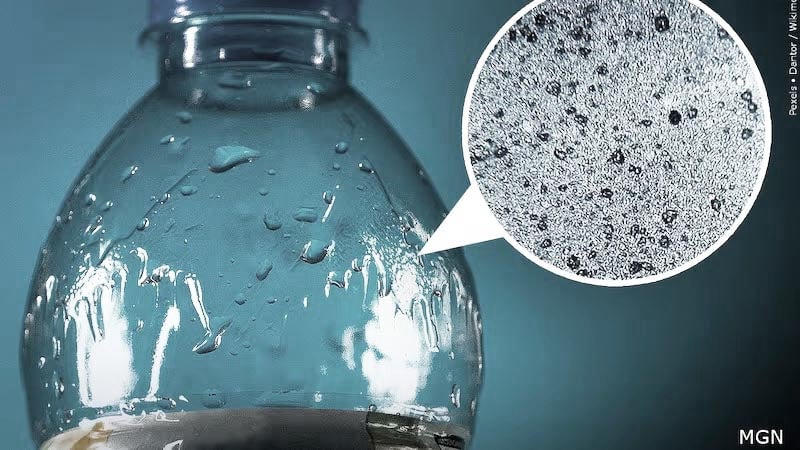
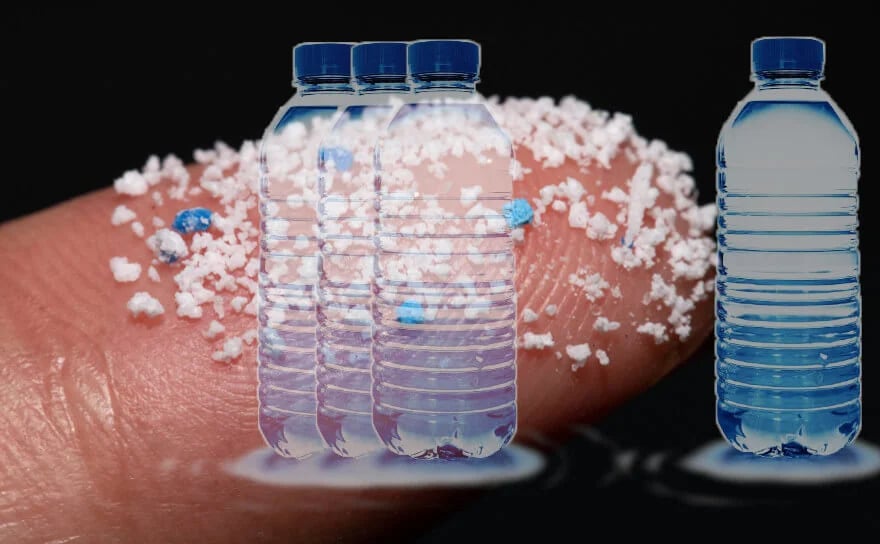
Obviously, Scientists are uncovering an alarming truth about microplastics in bottled water. These ubiquitous particles derive from larger plastic items breaking down over time. Even smaller are nanoplastics, measuring less than one micrometer. Read more: When the Lights Go Out: Understanding....
Clearly, These nearly invisible particles pose a distinct and growing scientific challenge. Really, nanoplastics are so minuscule they can penetrate biological barriers within the body. Their size makes them especially concerning for potential health impacts. Read more: When the Lights Go Out: Understanding....
The Details
Current Situation
Traditional research methods often struggled to detect these ultrafine fragments. New scientific advancements are now revealing their true prevalence. Researchers found an average of 325 particles per liter across many brands.
This first revelation raised important public health questions. It sparked deeper investigations into contamination levels. More recent, groundbreaking research, published in January 2024, provided a stunning update.
What This Means
Scientists using advanced techniques found far higher concentrations than previously estimated. They reported an average of 240,000 detectable plastic fragments per liter of bottled water. This number is 10 to 100 times greater than earlier findings suggested.
Why it Matters
Crucially, this recent study highlighted the dominance of nanoplastics. about 90% of the detected particles were nanoplastics. This finding underscores the pervasive nature of these ultra-small contaminants.
Further Analysis
It also signals a important leap in our understanding of plastic pollution. The National Institutes of Health (NIH) also confirmed these figures. Their research shows bottled water contains hundreds of thousands of nanoplastics.
These findings come from meticulous analysis of various popular brands. They point to a widespread issue across the industry. Other studies support this trend.
Important Notes
Comparison and Analysis
showing microplastic concentrations ranging from 8 to 22 particles per liter in some regions.. These variations highlight different analytical methods and regional factors. Obviously, but, the consistent presence of plastic fragments is undeniable.
Plastic bottles can shed tiny fragments directly into the water they contain. This shedding occurs from manufacturing processes, handling, and environmental exposure. Heat and light can accelerate this degradation. Read more: The Enduring Empire: Tracing the San ....
Basically, Bottle caps also contribute significantly to microplastic contamination. The twisting and opening of caps can release small plastic pieces. These fragments then fall into the water. Read more: The Enduring Empire: Tracing the San ....
Core Concepts
Honestly, Even reusable plastic bottles are not immune to this phenomenon. Isn't it interesting that they shed microplastics over time with repeated use and jostling?. The water source itself can also introduce microplastics.
While filtration helps, some microscopic particles may persist. Obviously, environmental contamination, from plastic pollution in the air and soil, also plays a role. These factors contribute to the overall plastic load.
Studies consistently show that bottled water often contains higher concentrations of microplastics. Some research indicates bottled water has about 60 times more microplastics than tap water. This challenges the perception of bottled water as a "purer" option.
Further Analysis
For instance. a 2018 study noted bottled water had an average of 325 microplastic particles per liter.. What if that tap water samples, while not free of plastics, generally showed much lower levels?.
This suggests that the packaging itself is a important contributor to the problem. Filtered tap water emerges as a notably better choice. Using a certified water filter can significantly reduce plastic intake.
Indeed, switching from bottled water to filtered tap water can drastically cut microplastic exposure. This simple change offers a practical way to mitigate personal risk. It provides a more sustainable and potentially healthier alternative.
Additional Insights
Individuals who drink bottled water daily ingest significantly more plastic particles each year. Estimates suggest bottled water consumers ingest 39,000 to 90,000 more microplastic particles annually. Simply, this far exceeds the intake of those who primarily drink tap water.
Clearly, Have you noticed that the concern primarily lies with nanoplastics due to their extremely small size?. These particles are small enough to pass into the bloodstream. They can reach organs, cells, and even cross the placental barrier. Read more: Xiaomi 17 Ultra: A Deep Dive into the....
Clearly, Their presence in these critical biological systems is a major focus of current research. Scientists are investigating the long-term chronic health risks associated with this exposure. Potential links to inflammation, oxidative stress, and endocrine disruption are being explored. Read more: Xiaomi 17 Ultra: A Deep Dive into the....
Impact and Effects
However, definitive conclusions on human health effects need more extensive research. Honestly, the World Health Organization (WHO) has initiated a review into the health impacts of microplastics. This highlights the global significance of the issue.
The FDA, meanwhile, states that plastic containers are safe for food and beverage use. This regulation, however, focuses on container materials, not the microplastic particles shed. This distinction is crucial for consumers seeking clarity.
More research is needed to fully understand the human body's response to these pervasive invaders. Did you know that early methods relied on visible particle counting and basic microscopy?. These techniques often underestimated the true scale of contamination.
Concluding Remarks
They were limited by resolution and particle size. Recent technological breakthroughs have revolutionized this field. Techniques like Stimulated Raman Scattering (SRS) microscopy are now pivotal.
This advanced imaging allows scientists to detect and characterize particles as small as nanometers. It provides unprecedented detail on particle composition and size. Basically, researchers are also utilizing fluorescence microscopy and flow cytometry.
Basically, These methods help quantify microplastics in various water samples. They enable more accurate assessments of contamination levels. Such advancements are crucial for understanding the problem's scope.
Concluding Remarks
Ongoing studies continue to refine these detection methods. What if that scientists aim to develop standardized protocols for global monitoring?. Did you know that this will ensure consistent data collection and comparison?.
The goal is to inform public health guidelines and policy decisions. Switching to filtered tap water is one of the most effective measures. Many home filtration systems can significantly reduce plastic particles. Read more: Snapdragon: Unveiling a Name That Def....
This provides a safer drinking option. Opting for non-plastic beverage containers is another wise choice. Glass or stainless steel water bottles are excellent alternatives. Read more: Snapdragon: Unveiling a Name That Def....
Concluding Remarks
These materials don't shed microplastics into liquids. They offer a durable and health-conscious option. Consumers should also avoid heating food or drinks in plastic containers.
Microwaving plastic can accelerate plastic shedding into contents. Storing hot liquids in plastic bottles should also be avoided. Simply, this practice minimizes potential chemical leaching and particle release.
Supporting companies committed to plastic-free packaging can also drive change. Consumer demand influences industry practices. Choosing products with sustainable packaging helps reduce overall plastic waste.
Concluding Remarks
It also promotes a cleaner environment. Ultimately, addressing microplastic contamination requires a multi-faceted approach. This includes individual choices, industry innovation, and robust public policy.
Continued research is vital to inform these efforts. We must protect both human health and our planet. These tiny particles, especially nanoplastics, present a complex challenge.
Really, Their prevalence demands greater attention from scientists, policymakers, and consumers alike. While the long-term health effects are still under investigation, caution is warranted. Making informed choices about our drinking water is paramount.
Common Questions
Individuals can empower themselves by choosing alternatives. We must advocate for solutions that protect our health and our environment. Actually, the perceived purity of bottled water is being questioned by science.
it's time to look beyond convenience and demand greater transparency. Our collective health depends on understanding and addressing this unseen tide. The future of safe drinking water demands our immediate attention.