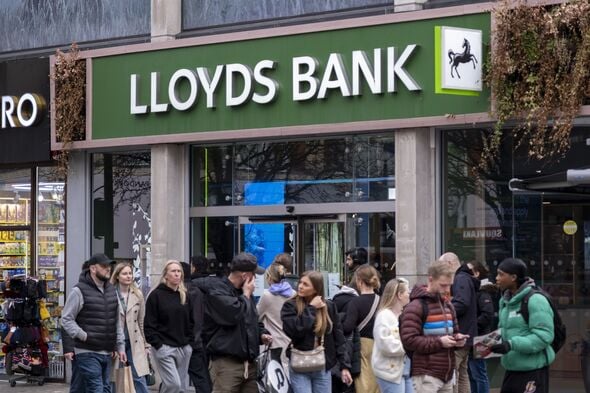

In a landscape rapidly redefined by technology and evolving consumer habits, the traditional high street bank branch is increasingly becoming a relic of a bygone era.
Breaking It Down
Against this backdrop, Lloyds Banking Group (LBG), one of the UK's largest financial institutions and the parent company of both Lloyds Bank and Halifax, has confirmed a substantial wave of branch closures slated for 2026.
This strategic move, which will see dozens of branches across the country shut their doors permanently, marks another significant step in the banking sector's ongoing pivot towards digital services and away from physical infrastructure.
The Details
Future Outlook
The decision, while framed by the Group as a necessary adaptation to customer demand, raises profound questions about accessibility, financial inclusion, and the future of banking in local communities.
The announcement, which follows a consistent pattern of branch reductions across the entire industry over the past decade, signals LBG's commitment to streamlining its operations and investing more heavily in its online and mobile platforms.
What This Means
While the shift is undoubtedly driven by a surge in digital banking adoption, it casts a long shadow over thousands of customers, particularly the elderly, vulnerable, and those in rural areas, who rely on face-to-face services.
How it Works
The closures are not merely operational changes; they represent a fundamental reshaping of how millions of Britons will interact with their money, demanding a proactive response from both the banking group and regulatory bodies to ensure a smooth, equitable transition.
Further Analysis
The precise number of branches earmarked for closure in 2026, encompassing both Lloyds Bank and Halifax outlets, has seen slight variations in early reports but solidifies around a significant figure.
Initial data indicates that approximately 40 Lloyds branches and 15 Halifax locations are set to cease operations throughout the New Year, bringing the combined total to around 55 sites.
Important Notes
Important Information
This figure aligns with other reports which suggest that a total of 55 Lloyds and Halifax branches have already been earmarked for closure in 2026.
However, the broader context reveals an even larger strategic divestment from physical locations by Lloyds Banking Group. When factoring in other brands under the LBG umbrella, such as Bank of Scotland, and extending the timeline to include 2025, the picture becomes more expansive.
Reports indicate that LBG aims to shut at least 303 bank branches across Lloyds, Halifax, and Bank of Scotland throughout 2025 and 2026.
Why it Matters
Specifically for 2026, other analyses suggest closures comprising 26 Lloyds branches, 10 Halifax sites, and 13 Bank of Scotland locations, totaling 49 for that year, though the most recent and consistent figures point to the higher combined total of 55 for Lloyds and Halifax alone. It is crucial to note that these figures are dynamic and can be subject to further review and announcement by the banking group.
Among the specific locations confirmed to be affected in 2026, and serving as poignant examples of the geographical spread, are:
These examples highlight that the impact will be felt across diverse communities, from market towns to coastal regions. While specific lists often emerge incrementally, the cumulative effect will undeniably alter the banking landscape for many.
Further Analysis
The chosen branches often reflect areas where digital adoption is high, where alternative LBG branches are in close proximity, or where footfall has significantly declined over recent years.
However, these criteria do not always alleviate the concerns of local residents and businesses who depend on these physical hubs. The closures in 2026 represent not an isolated event, but a continuation of a long-term strategy that has already seen hundreds of branches disappear from UK high streets.
Banking Group’s decision to continue its programme of branch closures is rooted in a multi-faceted strategy that reflects both technological evolution and economic realities. The overarching justification provided by LBG, mirrored by its industry peers, centres on a fundamental shift in how customers choose to conduct their banking.
Additional Insights
1. The Irreversible Digital Transformation: The most significant driver is the widespread adoption of digital banking. Smartphones and the internet have fundamentally changed customer behaviour.
Millions of Britons now manage their accounts, pay bills, and even apply for loans and mortgages through banking apps or online portals.
LBG consistently reports a dramatic increase in customers utilising these digital channels, with millions logging into their apps and online banking platforms every week.
Practical Implications
This digital revolution offers unparalleled convenience, allowing customers to bank anytime, anywhere, without the need to visit a physical location during opening hours.
The bank views these digital platforms not just as alternatives but as the primary future interface for the majority of its customer base.
2. Declining Branch Footfall: Hand-in-hand with the rise of digital banking is the precipitous decline in footfall within physical branches. LBG, like other major banks, has observed a significant reduction in the number of customers visiting its branches year-on-year.
Concluding Remarks
For some locations, this decline has been reported to be as high as 60-70% over the past five years. When a branch serves fewer and fewer customers, its operational viability comes under intense scrutiny.
Maintaining a full-service branch, with staff, utilities, security, and infrastructure, represents a substantial fixed cost. If these costs are not justified by transaction volumes, the economic argument for closure becomes compelling.
3. Cost-Efficiency and Resource Re-allocation: In an increasingly competitive financial services market, all banks are under pressure to operate efficiently.
Concluding Remarks
Branch networks represent a significant overhead. By consolidating its physical presence, LBG can reduce operational costs, which can then be reinvested into enhancing its digital platforms, developing new products, and improving customer service through other channels like telephone banking or specialised digital support.
This re-allocation of resources is presented as a strategic move to build a more resilient and forward-looking bank, capable of meeting the demands of the 21st century consumer.
4. Proximity and Overlap of Services: In many instances, particularly in urban or semi-urban areas, LBG might operate multiple Lloyds and Halifax branches within a relatively small geographical radius. With reduced footfall, maintaining these overlapping services becomes less justifiable.
Concluding Remarks
The bank often cites proximity to other branches of the same group, or to Post Offices where basic banking can be conducted, as a factor in its closure decisions. The aim is to ensure that a level of physical access, albeit consolidated, remains available within a reasonable distance for those who absolutely need it.
5. Evolution of Branch Role: For the branches that do remain open, their role is also evolving. They are becoming less about transactional services (which are increasingly digital) and more about complex advisory services, such as mortgage advice, wealth management, or support for small businesses. This shift requires a different type of branch layout and staff expertise, further justifying a smaller, more strategically located network.
While the bank's rationale highlights a response to undeniable market trends, it also underscores the challenges of balancing commercial imperatives with the responsibility to ensure inclusive access to essential financial services for all segments of society.
Concluding Remarks
The closure of a bank branch is never a mere administrative exercise; it profoundly impacts the lives of individuals, the fabric of communities, and the livelihoods of employees. The 2026 Lloyds and Halifax closures will unleash a ripple effect across these crucial areas.
#### For Customers: Navigating Disruption and New Avenues
The primary concern stemming from branch closures is the potential for inconvenience and reduced accessibility, particularly for specific demographics.
Impact and Effects
Alternative Banking Options (and their limitations): LBG consistently points to various alternatives designed to mitigate the impact of closures:
The challenge lies in ensuring that these alternatives are genuinely accessible, understood, and sufficient for all customers, preventing financial exclusion.
#### For Communities: The Empty Space on the High Street
Concluding Remarks
The closure of a bank branch has profound ramifications for the broader community:
#### For Staff: Uncertainty and Transition
The closure announcements invariably lead to significant anxiety and uncertainty for the dedicated staff working in the affected branches.
Concluding Remarks
The human element of these closures is arguably the most critical and complex. While banks justify decisions on economic and technological grounds, the societal cost and the welfare of individuals and communities must remain at the forefront of the discussion.
The ongoing closure of bank branches necessitates a clear understanding of the evolving banking landscape and the alternatives available to customers. For those affected by the 2026 Lloyds and Halifax closures, adapting to these new modes of banking will be essential.
#### The Rise of Banking Hubs: A Collaborative Solution
Concluding Remarks
One of the most promising initiatives to counteract the decline of physical branches is the Banking Hub. These hubs, typically located in former bank premises or other suitable high street locations, are funded by all major banks and operated by the Post Office. They offer a unique collaborative approach:
#### Post Office Partnerships: An Established Lifeline
The partnership between UK banks and the Post Office is a long-standing and critical component of maintaining access to banking services. Lloyds and Halifax customers, like those of most other major banks, can:
Concluding Remarks
#### Mobile Branches: Flexibility on Wheels
Some banks, including LBG, deploy mobile branches – specially adapted vehicles that visit various communities on a scheduled basis. These mobile units typically offer:
#### The Digital-First Imperative: Online and Mobile Banking
Concluding Remarks
For the majority of customers, the future of banking is undoubtedly digital. Lloyds Banking Group is heavily investing in its online and mobile platforms, aiming to make them as comprehensive, secure, and user-friendly as possible.
#### Open Banking and FinTech: Shaping the Future
Beyond traditional banks, the broader financial technology (FinTech) sector and the principles of Open Banking are further revolutionising how individuals manage their money. Open Banking allows customers to securely share their financial data with third-party providers, leading to:
Concluding Remarks
#### Regulatory Scrutiny and Access to Cash
Regulatory bodies, particularly the Financial Conduct Authority (FCA), are increasingly scrutinising bank closures and their impact on access to cash and financial services. The "Access to Cash Action Group" and legislative efforts aim to safeguard the ability of all individuals and businesses to access cash and basic banking, recognising its importance despite the digital shift. Banks are expected to conduct thorough impact assessments before closing branches and to demonstrate how they will ensure reasonable access to alternatives. This regulatory pressure provides a crucial check and balance on the speed and scale of branch network consolidation.
The 2026 branch closures by Lloyds and Halifax are not an isolated event but rather a continuation of a profound, industry-wide trend that has reshaped the UK banking landscape over the past two decades. Data from various sources, including the consumer group Which? and the Post Office, consistently highlights the dramatic reduction in the number of physical bank branches across the country.
Concluding Remarks
This broader context underscores that Lloyds Banking Group's actions are part of a larger, systemic transformation within the financial services industry, driven by technological advancement and evolving consumer behaviour. The debate is no longer about if branches will close, but how the industry and regulators can manage this transition responsibly, ensuring that no one is left behind in the race towards a digital-first future.
In response to the concerns raised by branch closures, Lloyds Banking Group consistently articulates its strategy and commitment to customers. The Group acknowledges the sentimental and practical value of physical branches but maintains that the changes are necessary and reflect the undeniable shift in customer behaviour.
1. Customer-Centric Approach (as stated by LBG): LBG asserts that its decisions are made with customer needs at the forefront. They emphasise that the vast majority of transactions now occur digitally, and the closures enable them to invest more in the channels customers are increasingly using. They aim to provide banking services that are "easier and more accessible" for the majority.
Concluding Remarks
2. Commitment to Support During Transition: The Group typically states that it does not take closure decisions lightly and commits to supporting affected customers and colleagues. This includes:
* Direct Communication: Informing customers well in advance of a closure, often through letters, in-branch notices, and online announcements.
* Guidance on Alternatives: Providing clear information about Post Office services, telephone banking, online platforms, and the location of the nearest remaining branch.
Concluding Remarks
* Dedicated Support Staff: Often, a team will be available in the closing branch in the weeks leading up to the closure to help customers navigate the changes and set up digital services.
* Digital Skills Training: Some initiatives involve offering guidance or workshops to help customers, particularly the elderly, gain confidence with online and mobile banking.
3. Investment in Digital Infrastructure: A core pillar of LBG's strategy is significant investment in its digital capabilities. This includes: * Enhanced Mobile Apps: Continually developing new features, improving user experience, and bolstering security.
Concluding Remarks
* Robust Online Platforms: Ensuring reliability, comprehensive service offerings, and intuitive navigation.
* Contact Centre Modernisation: Investing in technology and training for telephone banking staff to handle increasingly complex enquiries and provide efficient support.
4. Evolving Role of Remaining Branches: For the branches that remain, LBG envisions a shift in their function. They are increasingly becoming centres for:
Practical Tips
* Complex Advice: Mortgages, investments, wealth management, and business banking consultations.
* Problem Resolution: Handling issues that cannot be easily resolved through digital channels.
* Cash Access and Support: Ensuring basic cash services for those who need them. This means fewer branches, but potentially more highly skilled staff focused on advisory roles, rather than routine transactions.
Concluding Remarks
5. Responsible Stakeholder Engagement: LBG typically engages with local MPs, community groups, and business leaders prior to and during the closure process. While these consultations rarely reverse a decision, they can sometimes lead to adjustments in closure dates or the provision of specific local support.
In essence, Lloyds Banking Group’s future vision is of a streamlined, technologically advanced institution capable of serving the vast majority of its customers through digital means, while still retaining a physical footprint and alternative access points for those who require them. The success of this vision hinges on effectively managing the transition, ensuring digital inclusion, and maintaining trust and accessibility for all segments of its diverse customer base.
The announcement of significant Lloyds and Halifax branch closures for 2026 is more than just another news item about corporate restructuring; it is a stark indicator of the profound and irreversible transformation sweeping through the financial services industry.
Historical Background
Driven by the relentless march of digital technology and a fundamental shift in customer preferences, the traditional model of high street banking is rapidly fading into history.
For Lloyds Banking Group, these closures are a strategic imperative, a calculated move to streamline operations, cut costs, and reinvest in the digital platforms that define modern consumer interaction.
However, the implications extend far beyond balance sheets and digital adoption rates. The withdrawal of physical branches leaves indelible marks on communities, particularly in smaller towns and rural areas where a bank branch represents not just a financial service provider but a vital community hub and an economic anchor.
Concluding Remarks
The human cost, felt by elderly customers, the vulnerable, small business owners, and dedicated bank staff, cannot be overstated. While alternatives like the Post Office, Banking Hubs, and mobile branches offer partial solutions, they do not always fully replicate the comprehensive services, personal interaction, and accessibility that a full-service branch provides.
As the UK navigates this new banking era, the critical challenge lies in striking a delicate balance. Financial institutions like Lloyds Banking Group must continue to innovate and adapt to the digital age, offering seamless, secure, and efficient online services. Simultaneously, there is an equally pressing need for robust regulatory oversight and industry-wide collaboration to ensure that no segment of society is left behind.
Safeguarding access to cash, promoting digital literacy, and supporting the development of truly inclusive alternatives like Banking Hubs are not merely optional extras but essential components of a responsible and equitable financial ecosystem.
Concluding Remarks
The closures in 2026 are not an endpoint but another significant chapter in an ongoing story. The future of banking will undoubtedly be predominantly digital, but the true measure of success will be whether this progress can be achieved without sacrificing the fundamental principle of universal access to essential financial services for every individual and community across the nation.