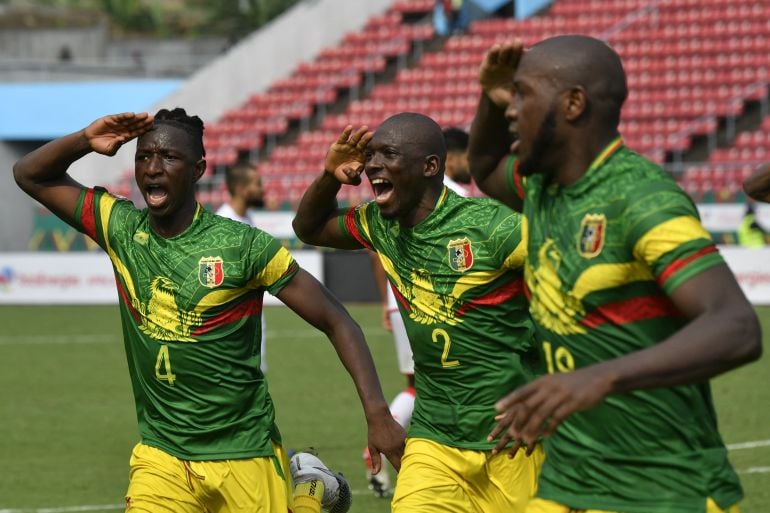

The very mention of "AFCON" conjures images of vibrant stadiums, rhythmic drumming, electrifying goals, and a profound sense of national pride that courses through the veins of an entire continent.
Breaking It Down
The Africa Cup of Nations, or AFCON, is not merely a football tournament; it is a biennial pilgrimage of passion, a cultural celebration, and an unparalleled showcase of African talent that captivates millions worldwide.
Sanctioned by the Confederation of African Football (CAF), this premier international men's association football competition stands as a testament to the continent's enduring love affair with the beautiful game.
The Details
Future Outlook
As the football world increasingly turns its gaze towards the upcoming Total Energies 2026 Africa Cup of Nations, set to unfold in the captivating landscapes of Morocco, the anticipation is palpable, promising another chapter filled with unforgettable moments, rising stars, and the raw, untamed spirit of African football.
From its humble beginnings, AFCON has grown into a global spectacle, a tournament where legends are forged, underdogs triumph, and national identities are fiercely celebrated on the grandest stage.
What This Means
Each edition brings with it a fresh wave of hope, dreams, and the fervent belief that this could be "their year." The 2026 iteration is no different, poised to deliver a fusion of top-tier football, rich cultural experiences, and an economic boost for its host, Morocco, further cementing AFCON's pivotal role in shaping both the sporting and social fabric of Africa.
Key Points and Details
At its core, the Africa Cup of Nations is the ultimate prize in African international football. Founded in 1957, with the inaugural tournament featuring only three nations—Egypt, Sudan, and Ethiopia—it has since evolved dramatically.
Further Analysis
The competition now regularly features 24 teams vying for continental supremacy, a testament to the growth and development of football across Africa.
This biennial event serves as the highest benchmark for national teams, providing a platform for players, many of whom ply their trade in top European leagues, to represent their homelands with unparalleled fervor and determination.
Important Notes
Important Information
CAF, the governing body, meticulously orchestrates the tournament, ensuring standards of play, officiating, and infrastructure meet international benchmarks.
The "TotalEnergies" sponsorship highlights the significant commercial appeal and global reach of AFCON, attracting major corporate partners who recognize its immense value as a brand.
This partnership not only provides crucial financial backing but also helps elevate the tournament's profile, enabling CAF to invest further in football development initiatives across the continent.
Core Concepts
AFCON's importance transcends mere sporting competition. It is a powerful unifier, bringing together diverse cultures, languages, and histories under the common banner of football. During the tournament, national rivalries are intense, yet there's an overarching sense of shared African identity.
It's a period where entire nations hold their breath with every pass, cheer with every goal, and mourn with every defeat, creating collective memories that bind communities and generations.
The tournament showcases the unique flair and athleticism inherent in African football, characterized by speed, skill, creativity, and a relentless attacking spirit that often enthralls neutral observers.
Further Analysis
For many young Africans, watching their heroes on the AFCON stage ignites dreams of one day donning their national colors, making the tournament a vital source of inspiration and aspiration.
The spotlight for the next edition shines brightly on the Kingdom of Morocco, the proud host of the Total Energies 2025 Africa Cup of Nations.
This selection has been met with widespread excitement, given Morocco's impressive footballing infrastructure, passionate fan base, and recent successes on the global stage, most notably their historic run to the semi-finals of the 2022 FIFA World Cup.
Additional Insights
The country's successful bid underscores CAF's confidence in Morocco's capacity to deliver a world-class tournament experience.
Morocco is uniquely positioned to host a memorable AFCON. The nation boasts a rich footballing heritage, a strategic geographic location, and modern facilities.
Over the past decade, Morocco has heavily invested in upgrading its sports infrastructure, including state-of-the-art stadiums in cities like Casablanca, Rabat, Marrakech, Agadir, and Fez.
Practical Implications
These venues are not only equipped to handle the demands of international football but also promise an exceptional spectator experience, featuring comfortable seating, excellent sightlines, and modern amenities.
Beyond the stadiums, Morocco offers a vibrant cultural tapestry and a well-developed tourism sector. Visitors can expect warm hospitality, stunning landscapes ranging from bustling souks to serene deserts and coastal resorts, and a culinary experience renowned for its aromatic spices and diverse flavors.
The country's strong transport links, including a high-speed rail network and modern airports, will facilitate seamless movement for teams, officials, and fans alike.
Why it Matters
Hosting AFCON 2025 is expected to provide a significant boost to Morocco's economy, generating revenue from tourism, hospitality, and local businesses, while also creating numerous job opportunities.
It will further elevate Morocco's profile as a premier destination for major international events, showcasing its capability to stage events of this magnitude with efficiency and flair.
The anticipation surrounding Morocco 2026 is multifaceted. For the Moroccan national team, the "Atlas Lions," hosting the tournament provides an unparalleled opportunity to clinch their second AFCON title on home soil, their first having been secured in 1976.
Current Situation
Buoyed by their recent World Cup heroics, the pressure and expectation will be immense, but so too will be the home crowd's fervent support.
Beyond the hosts, football enthusiasts are eager to see which nations will rise to the occasion. Traditional powerhouses like Egypt, Cameroon, Ghana, and Nigeria will undoubtedly be looking to reclaim their former glory or add to their trophy cabinets.
Meanwhile, recent champions like Senegal and Ivory Coast will be keen to defend their reputations. The tournament is also a fertile ground for emerging footballing nations and potential dark horses, as seen in past editions where unexpected teams have made deep runs.
Concluding Remarks
AFCON 2025 will also serve as a crucial platform for identifying the next generation of African footballing superstars. Scouts from top European clubs will descend upon Morocco, eager to spot raw talent and future prospects.
For players, it's an opportunity to perform on a grand continental stage, boost their international profiles, and potentially secure lucrative contracts abroad. The interplay of seasoned veterans, rising talents, and passionate fan bases promises a tournament filled with drama, excitement, and unforgettable narratives.
The journey to lift the coveted AFCON trophy is a long and arduous one, beginning well before the final tournament kicks off. The qualification process for the Africa Cup of Nations is a rigorous affair, involving almost all 54 member associations of CAF.
Concluding Remarks
Typically, it begins with preliminary rounds for lower-ranked teams, followed by a more extensive group stage. National teams are drawn into groups, competing in a series of home and away fixtures over several months.
Only the top teams from these groups, along with the host nation who qualifies automatically, earn their spot in the final 24-team tournament.
This qualification phase is a drama in itself, with nail-biting finishes, unexpected upsets, and last-minute heroics determining who gets to participate in the prestigious finals.
Concluding Remarks
For many smaller nations, simply qualifying for AFCON is a monumental achievement, a chance to represent their country on a continental stage and inspire a new generation of footballers.
Once the 24 qualified nations converge in Morocco, the tournament follows a well-established and exciting format:
This format ensures maximum competitive intensity from start to finish, culminating in a single, decisive match that determines the continent's footballing monarch. The structure guarantees a wealth of high-stakes football, providing fans with a continuous stream of thrilling encounters and dramatic narratives.
Key Features
The influence of AFCON stretches far beyond the boundaries of the football pitch, permeating various aspects of African society and economy. It is a powerful catalyst for cultural exchange, economic growth, and social cohesion, leaving a lasting legacy in its wake.
AFCON is a vibrant celebration of African identity in all its forms. Each tournament is a kaleidoscope of national colors, traditional attire, diverse musical rhythms, and unique fan chants. It fosters a profound sense of unity across a continent often characterized by its vast diversity.
For a month, linguistic barriers fade, and different ethnicities rally behind their national teams, embodying a shared pride in their heritage. Players become cultural ambassadors, showcasing the spirit and resilience of their nations.
Concluding Remarks
The tournament inspires artists, musicians, and designers, leading to a surge in creative expression that reflects the excitement and energy of the event.
It instills hope and provides role models for millions of young Africans, demonstrating that with talent, hard work, and determination, dreams can indeed come true.
The collective emotional experience – the euphoria of victory, the agony of defeat – creates bonds that transcend tribal and political divides, momentarily unifying nations in a shared emotional journey.
Concluding Remarks
Hosting AFCON is a significant economic undertaking, but one that yields substantial dividends. For the host nation, Morocco in 2025, the economic benefits are manifold:
For African footballers, AFCON is arguably the most important platform of their careers. It's where national heroes are made, and where promising talents can elevate their game and catch the eye of scouts from major European clubs.
The tournament regularly features some of the world's most exciting players, many of whom are already established stars in leagues like the Premier League, La Liga, Serie A, and the Bundesliga.
Concluding Remarks
For those less known, AFCON offers a golden opportunity to demonstrate their abilities on a grand stage, potentially leading to transfers that can transform their careers and financial fortunes.
This aspect of the tournament underscores its critical role in the global football ecosystem, facilitating the movement of talent and enriching football leagues worldwide with the unique dynamism of African players.
The history of AFCON is rich with legendary teams, iconic players, and unforgettable moments that have etched themselves into the annals of football history.
Concluding Remarks
From the early dominance of Egypt, who hold the record for the most titles (seven), to the Golden Generation of Cameroon in the late 20th century, and the recent triumphs of Senegal and Ivory Coast, the tournament has consistently delivered compelling narratives.
Teams like Ghana, Nigeria, and Algeria have also left indelible marks, contributing to a tapestry of diverse playing styles and fiercely competitive rivalries.
Who can forget Roger Milla's iconic corner flag dance for Cameroon in the 1990s, or the dramatic penalty shootouts that have decided countless finals?
Concluding Remarks
These moments speak to the emotional intensity and high stakes of the tournament, where every pass, tackle, and shot carries the weight of national expectation.
AFCON has also been a stage for the extraordinary brilliance of individual players. Figures like Samuel Eto'o, Didier Drogba, Abedi Pele, George Weah, and more recently, Mohamed Salah and Sadio Mané, have not only graced the tournament with their exceptional skills but have also served as beacons of inspiration. Their performances have not only led their nations to glory but have also inspired millions across Africa and beyond.
The tournament's legacy is also about its unpredictability. While favorites often emerge, AFCON is notorious for its upsets, with underdogs frequently exceeding expectations and sometimes even lifting the trophy.
Concluding Remarks
This element of surprise adds to its charm and ensures that every match is infused with potential for drama.
The competitive nature of African football, with its blend of raw talent, tactical acumen, and sheer will, guarantees that no victory comes easy and every title is hard-won. Each edition adds new chapters to this storied history, ensuring that the legacy of AFCON continues to grow, inspiring generations of footballers and fans.
While AFCON is a resounding success, CAF, like any major sporting organization, faces its share of challenges and opportunities that will shape the future of African football.
Concluding Remarks
Addressing these challenges while capitalizing on opportunities will be key to AFCON's continued evolution and success, solidifying its place as one of the world's most exciting and impactful football tournaments.
For football fanatics eager to immerse themselves in the unparalleled atmosphere of African football, experiencing AFCON 2026 in Morocco promises an unforgettable journey. CAF has already confirmed that "Tickets On Sale.
Book your tickets now for the TotalEnergies CAF AFCON Morocco 2026 – experience the passion, pride, and power of African football!" This direct call to action highlights the accessibility for fans to be part of the live action, to witness history in the making, and to feel the palpable energy that only a continental tournament can generate.
Concluding Remarks
Attending an AFCON match is more than just watching football; it's a sensory feast of color, sound, and collective emotion that truly defines the African football experience.
For those unable to travel, extensive broadcast coverage will ensure that no moment of the action is missed. Major sports networks globally, such as ESPN, will provide comprehensive coverage, including the "2026 Africa Cup of Nations schedule on ESPN, including kick off times, stadium information and TV listings.
" This ensures that fans across various continents can follow their favorite teams and players, staying updated with every goal, every dramatic turn, and every crucial match result.
Concluding Remarks
Digital and social media platforms will also play a crucial role in bringing the tournament closer to fans. Following official accounts like "TotalEnergies AFCON 2026 (@CAF_Online) / Posts / X" will provide real-time updates, behind-the-scenes content, and opportunities for fan engagement, fostering a global community around the event. The blend of in-person attendance and widespread media accessibility ensures that AFCON 2025 will be a truly global celebration of African football.
The Africa Cup of Nations stands as a monumental pillar in the landscape of global football, a vibrant testament to the continent's unwavering passion for the game. From its origins as a nascent competition to its current status as a 24-team spectacle, AFCON has consistently delivered thrilling football, forged national heroes, and showcased the unique spirit of Africa.
As we look ahead to the TotalEnergies 2026 Africa Cup of Nations in Morocco, the anticipation is not just for the dazzling displays on the pitch but for the broader cultural celebration, the economic uplift, and the unifying power that this tournament inherently brings.
Concluding Remarks
Morocco, with its stunning venues and fervent football culture, is set to provide a magnificent backdrop for the continent's finest talents to compete for glory.
The roar of the crowd, the intricate skills of the players, and the raw emotion of national pride will once again converge, creating an atmosphere that is uniquely African and universally captivating. AFCON is more than a trophy; it's a narrative woven with dreams, struggles, triumphs, and the enduring belief in the power of football to transcend boundaries.
As the countdown to 2026 begins, the world eagerly awaits another chapter in the illustrious history of the Africa Cup of Nations, ready to be swept away by the passion, pride, and power that defines African football. The legacy continues, promising to inspire, unite, and entertain for generations to come.